A Considerate Floral Welcome After Hajj: A Short Guide
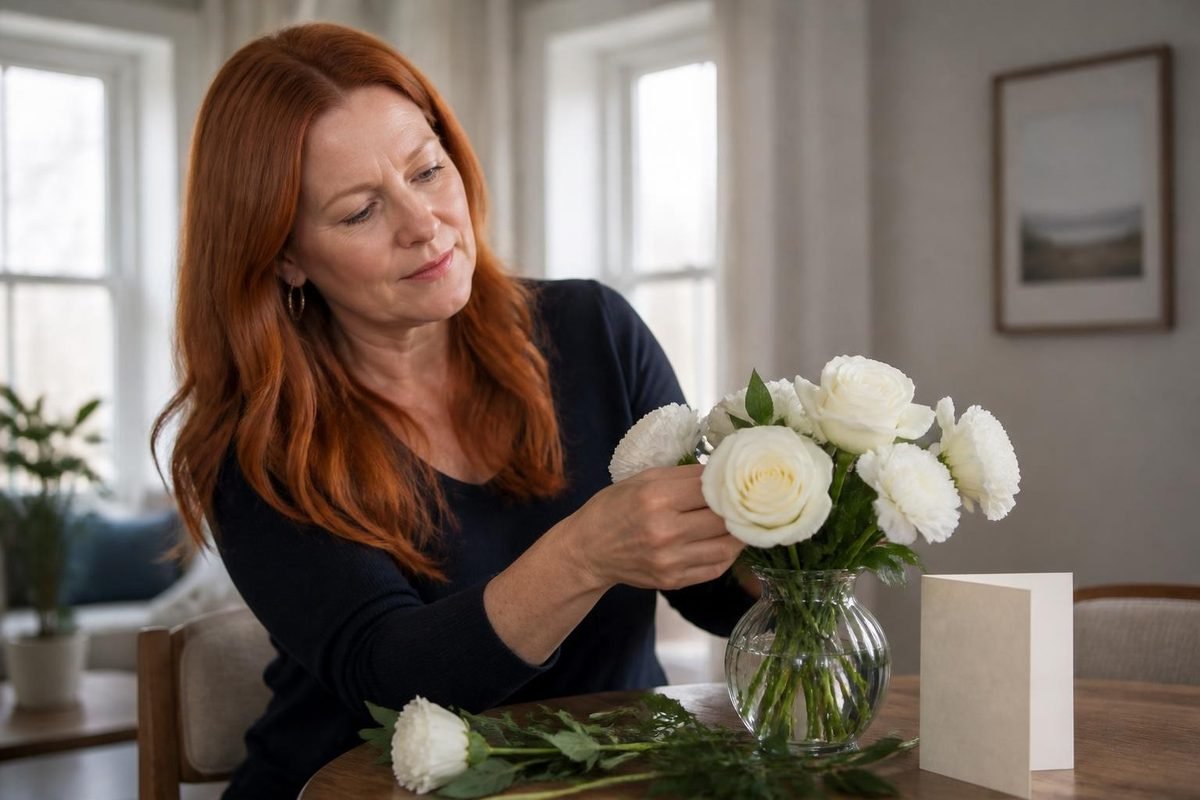
White roses, chrysanthemums, carnations, and orchids can all be thoughtful ways to welcome a person home from Hajj. Choose a gift that fits their tastes and comfort, then add a brief note to convey your warmth and respect.
Start with flowers they like
A bouquet feels more personal when it reflects the person who will receive it. If roses are a favorite, for example, a small bunch in a color they enjoy is a natural choice. White roses give a quiet, gentle impression, while pink or yellow ones can make a welcome feel warmer.
You could also consider chrysanthemums or carnations. Their petals are sturdy, and both flowers are available in a wide range of colors, so they can work well together in a mixed arrangement. There is no need to give every bloom a symbolic meaning. A flower the recipient already likes can be thoughtful enough.
Choose an easy arrangement to manage
Someone returning from a long trip may not want an elaborate gift that needs immediate care. A small arrangement already set in a container can be easier to accept than a large bouquet that must be trimmed and arranged. If you plan to bring loose stems, include a clean vase if you know it would help.
Keep the stems in water as you travel to the recipient's home. Before placing them in a vase, remove leaves that would rest under the waterline. Changing the water regularly also helps the flowers stay fresh. These simple steps support the arrangement without creating much extra work for the person who receives it.
Be mindful of fragrance and sensitivities
Strongly scented flowers may be unpleasant for some people. If you do not know what the recipient prefers, choose blooms with a light scent or check with someone close to them. Carnations and chrysanthemums may be suitable, although fragrance can differ from one variety to another.
It is also wise to consider allergies and household pets. If you know there could be a concern, ask before arranging a delivery. Avoid lilies in a home with cats, since lilies are highly toxic to them. A florist can suggest another flower that is safer for the household.
Pick a considerate time
It may be best to send a welcome bouquet after the pilgrim is home and has had a chance to settle. Travel can leave a person tired, and family visits or other plans may already be underway. A short message asking when a delivery would suit them can show care without adding pressure.
If you are unable to visit, flowers delivered with a note can still be a warm greeting. Orchids may suit someone who enjoys looking after plants, while cut flowers can be the simpler choice if you are unsure. Keep the arrangement small enough to sit comfortably on a table or shelf.
Include a personal note
A few honest words can say what matters. You could write, “Welcome home. I am thinking of you and wishing you peace.” If you know the person well, you might also say how glad you are that they returned safely. A long message is unnecessary, as is formal wording that does not feel like your own.
Let the gift show that you have thought about the recipient, rather than choosing something for display alone. Flowers selected with their preferences and comfort in mind can make a gentle, caring welcome home.
A related guide: https://polishcommunitycentre.com/wszystkich-swietych-z-daleka-jak-zadbac-o-groby-bliskich/